Basement waterproofing keeps groundwater and dampness out of your basement. Methods include interior drains, sump pumps, crack repair and exterior membranes. We match you with one vetted, licensed contractor in your city for a free on-site estimate and a written itemised quote.
Water ruins finished basements. Wet drywall, carpet and insulation can grow mold and need to come out. The fix starts with finding where the water comes from. Gutters and downspouts that dump next to the house are a common cause. Soil that slopes toward the foundation is another. Some water comes up through cracks or where the floor meets the wall. Interior systems catch water that gets in and send it to a sump pump. Exterior systems dig down to the footing and seal the wall from outside. A dehumidifier handles damp air once the leaks stop. Your contractor finds the source first and prices the fix in writing. The finish then goes on a dry base.
KEY POINT
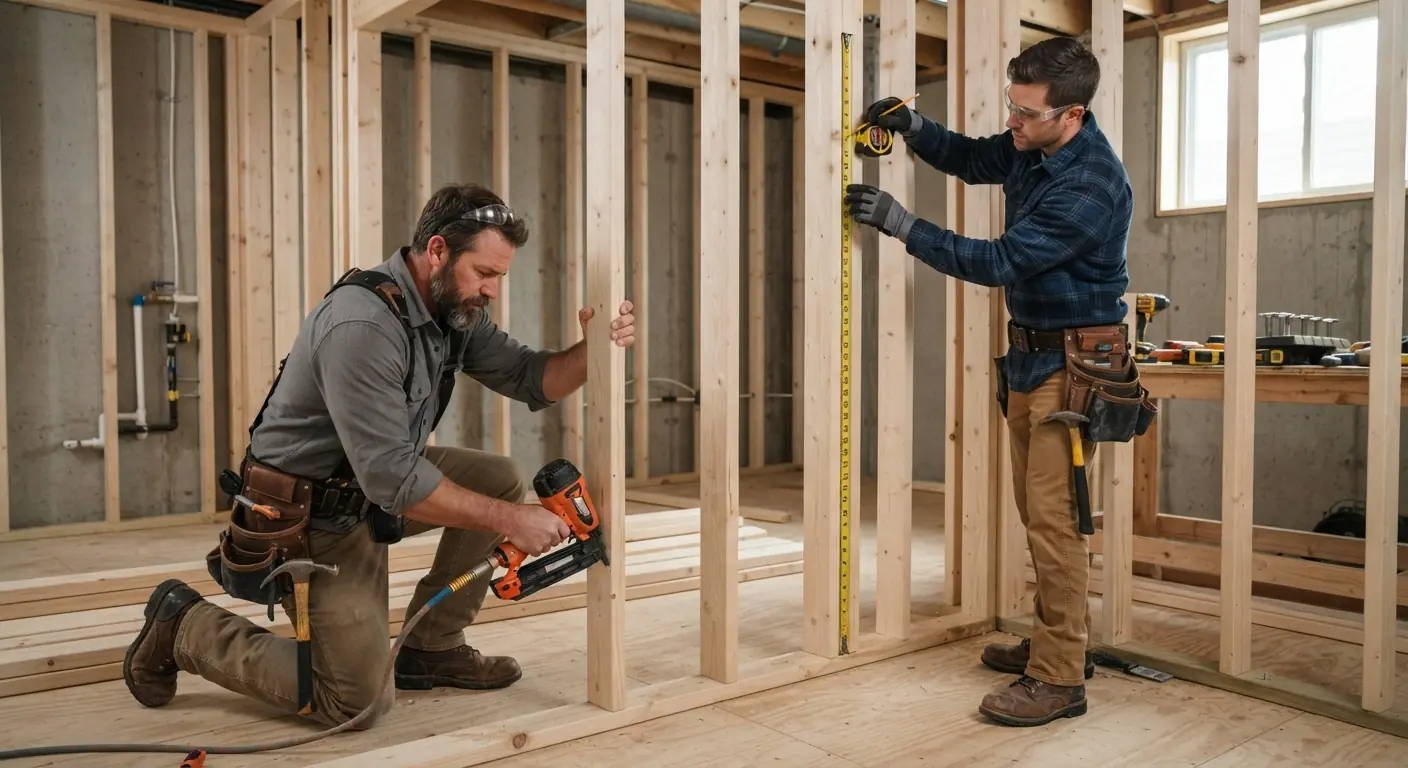
Fix the source of the water before any framing or drywall goes up.
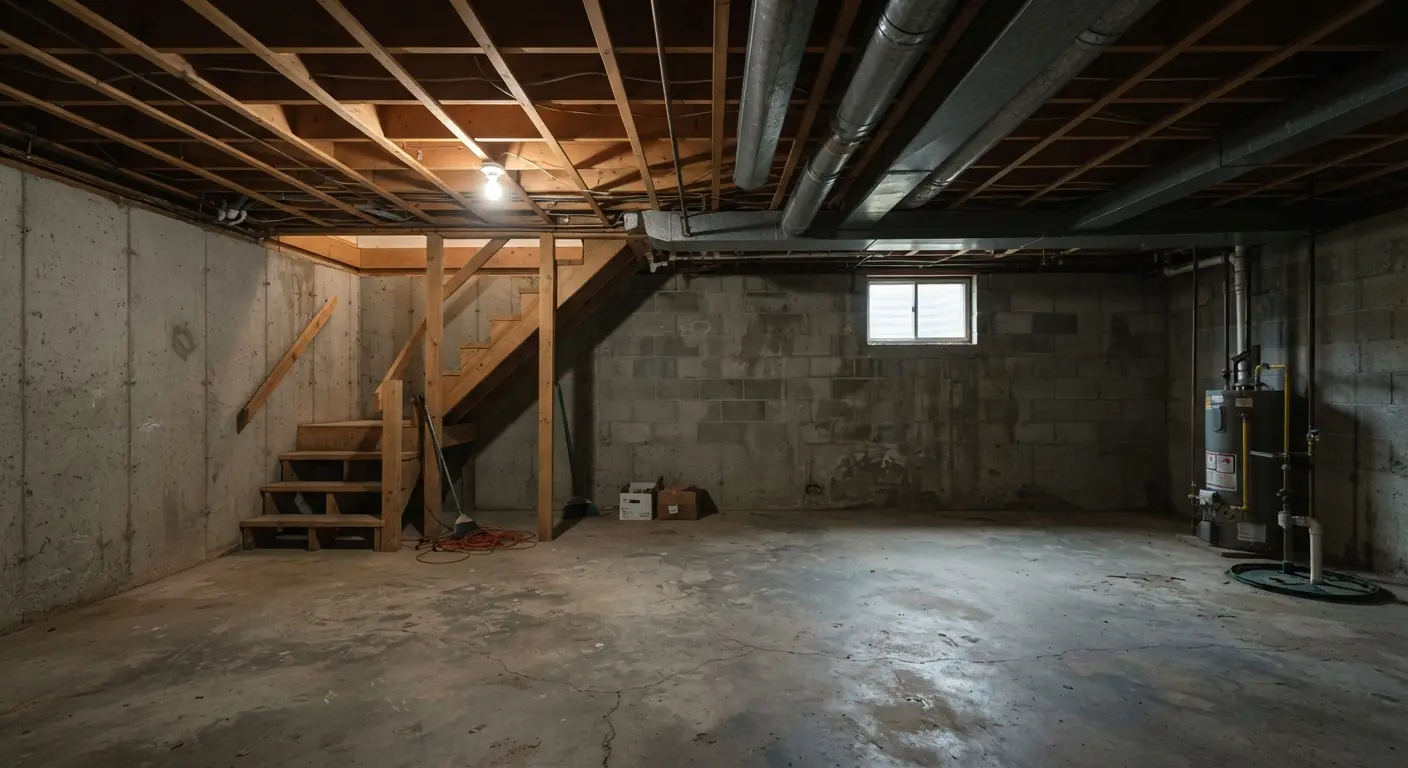
BeforeAfter
What is included
Ways to keep a basement dry
Each fix depends on where the water comes from. Most plans use some of these parts.
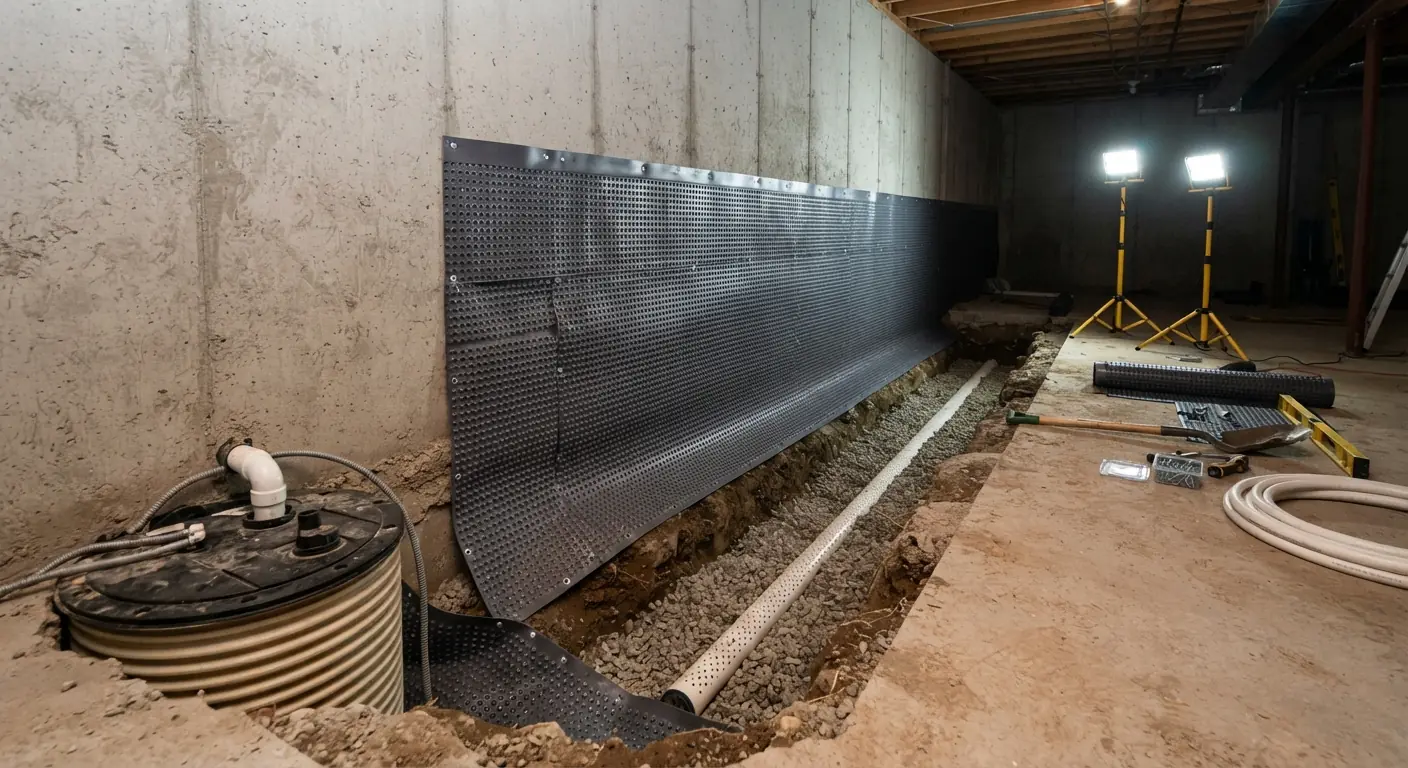
Interior drain tile
A drain along the inside footing that carries water to a sump pump.
Sump pump
A pump in a pit that sends collected water out and away from the house.
Exterior membrane
Excavation to the footing and a waterproof membrane on the outside wall.
Crack repair
Sealing foundation cracks that let water through.
Grading and downspouts
Soil that slopes away and downspouts that carry roof water off.
Humidity control
A dehumidifier and vapor barrier for damp air and walls.
Waterproofing guide
Match the fix to where the water gets in
What is the best waterproofing method for basements?
The best waterproofing method is the one that stops water where it enters your basement. A wet floor after rain, a damp wall in humid months and a dripping crack each need a different fix. Find the cause and the method follows.
Look for the pattern. Water that shows up in heavy rain often traces to gutters, downspouts or grading. Damp walls with no puddles can be condensation from humid air. Water where the floor meets the wall often points to pressure from wet soil.
A simple foil test helps sort damp walls.
Tape a square of foil tight to the wall for a few days
Moisture on the room side points to humid air
Moisture behind the foil points to water through the wall
How do I stop water from seeping through my basement walls?
Stop water seeping through basement walls by moving surface water away from the house first, then sealing or draining what still gets through. Outside fixes cost the least and often solve the problem.
The International Residential Code asks for ground that falls at least 6 inches within the first 10 feet from the foundation. Where a lot line or wall prevents that, it calls for swales or drains. Downspouts should empty well away from the wall.
Cracks come next. Injected epoxy or polyurethane can seal a leaking crack in a poured concrete wall. A crack that is wide, growing or out of line needs a structural check before anyone seals it.
Should I waterproof my basement from the inside or outside?
Waterproof from the outside to stop water at the wall, and from the inside to manage water that already gets in. Outside work makes most sense when the soil is already open, such as during new construction or foundation repair.
Many homes only have dampproofing on the outside of the wall. Dampproofing is a thin coating that slows moisture from damp soil. The IRC calls for full waterproofing where a high water table or severe soil water conditions are known. Waterproofing is built to hold back water under pressure.
Does waterproof paint work on basement walls?
Waterproof paint works on basement walls for light dampness, but it cannot hold back water pushed through by wet soil. The coating needs clean, bare masonry to bond. It fails over old paint, over efflorescence (the white salt crust) and over active leaks.
Use a sealer as a last step after the outside drainage is fixed. If water still comes through, a coating on the room side only hides the problem behind your new walls.
How dry does a basement need to be before finishing?
A basement should stay dry through a full wet season before you finish it, with indoor humidity kept below 60 percent. The EPA gives that limit for preventing mold and names 30 to 50 percent as the ideal range. A humidity meter from a hardware store shows where you stand.
A dehumidifier with a hose to a floor drain or sump runs without anyone emptying a bucket. Wall insulation that tolerates moisture against concrete lowers the risk of hidden mold.
When does a basement need a sump pump?
A basement needs a sump pump when water collects under or around the slab faster than it can drain away on its own. Homes with interior drain tile, a high water table or a history of floor-level leaks usually need one.
The pump sits in a pit at the low point and pushes water out through a discharge pipe. Send that pipe well away from the foundation so the water does not cycle back. A battery backup keeps the pump running when a storm cuts the power.
Test the pump each spring. Pour water into the pit until the float lifts and the pump starts.
Waterproofing cost depends on the cause and the method, and the Atlanta cost guide shows how it fits into a full finish budget. Range: typical full finish in metro Atlanta, one local firm's published range, checked September 2026.
Straight answers. Ask your contractor anything else at the free estimate.
What is the average cost to waterproof a basement?
The cost depends on the cause, the method and the size of the basement. Gutter and grading fixes cost far less than interior drains or exterior excavation. Your written itemised quote prices the fix for your home.
What is the cheapest way to waterproof basement walls?
The cheapest way is to fix the outside first: clean gutters, extend downspouts and slope the soil away from the house. Those steps often stop surface water. A masonry sealer can help with light dampness once the outside is fixed.
Can I waterproof my basement by myself?
You can handle gutters, downspout extensions, regrading and small crack sealing yourself. Interior drains, sump pits and excavation are jobs for a contractor. Any structural crack needs a professional check first.
Do you need a permit for basement waterproofing?
It depends on the work and your town. Excavation, new drains or a wired sump pump may need a permit. The contractor checks local rules and pulls any permits needed.
How long does basement waterproofing take?
It depends on the method and the size of the basement. Exterior work takes longer because of digging and backfill. Ask for a schedule with the written quote.
Should I waterproof before finishing a basement?
Yes, fix any water problem before you frame walls or lay floors. Water behind finished walls ruins drywall and insulation and can lead to mold. Waterproofing after a finish means tearing some of it out.
Ready to start your basement waterproofing?
Get a free on-site estimate from one vetted local basement contractor.