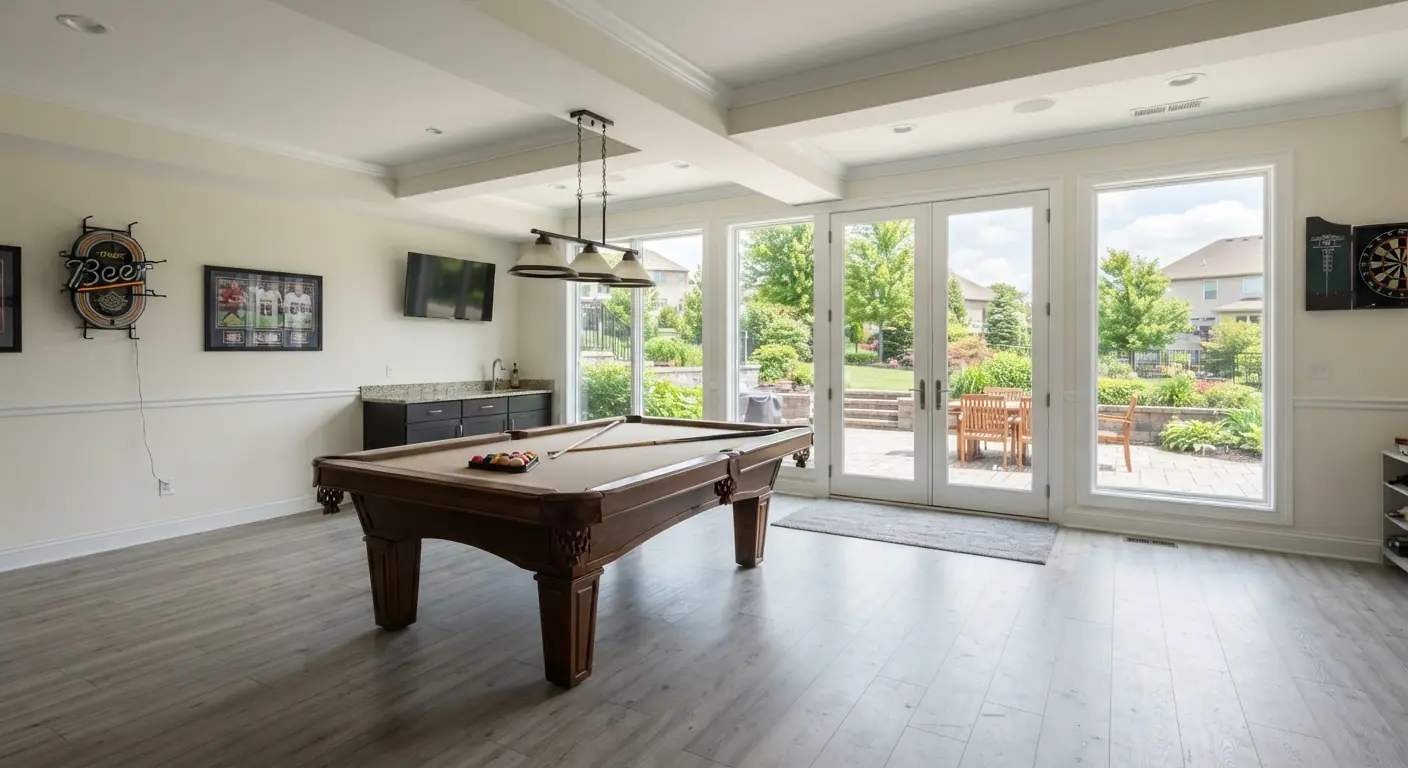
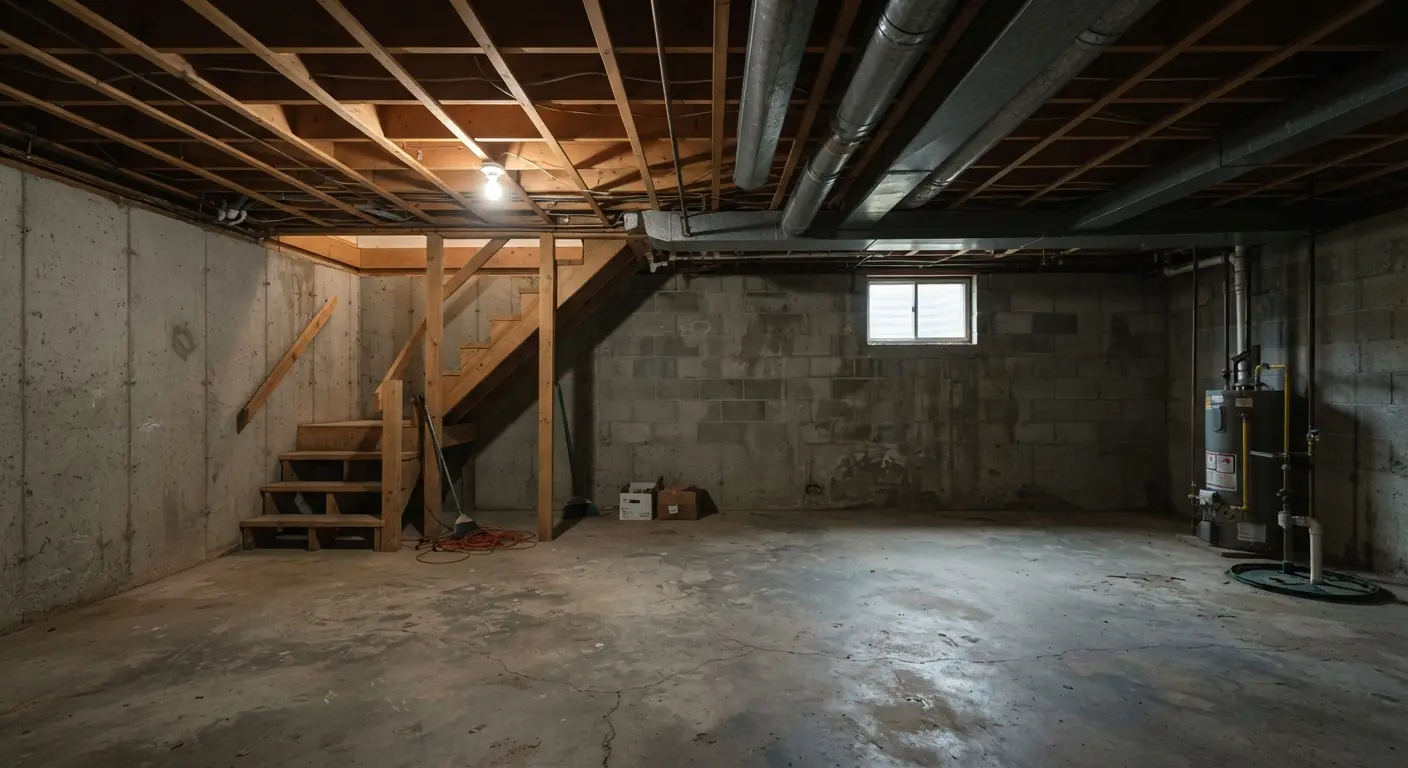
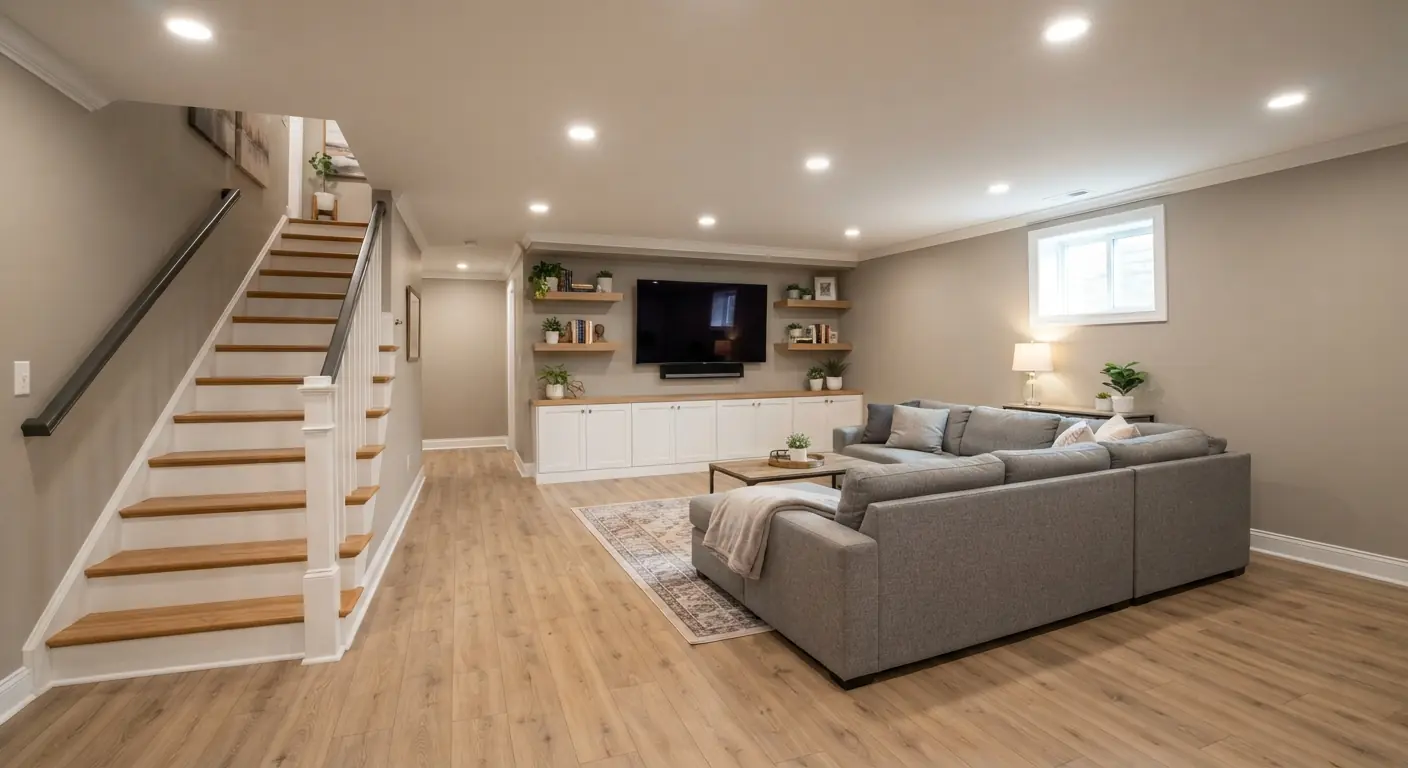
Basement remodeling in Dunwoody updates an older finished basement or builds out an unfinished one into usable rooms. We match DeKalb County homeowners with the same vetted, licensed contractor that serves metro Atlanta. You get a free on-site estimate and a written quote. Your contractor pulls permits through the correct office.
What to know about remodeling a basement in Dunwoody
Permits in Dunwoody
The City of Dunwoody issues building permits inside its limits. DeKalb County handles unincorporated addresses. Your contractor files with the correct office and books each inspection.
Older basements, fresh plans
Many Dunwoody houses have basements finished decades ago. Old paneling can hide damp walls or outdated wiring. Clay soil and sloped yards make a moisture check the first step.
Perimeter route
Dunwoody shares a contractor with Atlanta, one vetted pro for the whole area. Sandy Springs sits next door on the same route.
Dunwoody hiring guide
Hiring, permitting and closing out a Dunwoody basement job
What are the red flags of a bad renovation contractor?
The biggest red flag is a contractor who suggests skipping the permit. In Dunwoody the property owner is responsible for what happens on the property, and licensed contractors know permits come before work. Check any license through the Georgia Secretary of State before you sign. Other warning signs:
A large cash deposit before any plan or permit exists
A one-line quote with no itemized scope
No Georgia license or proof of insurance
Pressure to sign the same day
Asking you to pull the permit in your own name
No written process for change orders
Why does each trade need its own permit in Dunwoody?
Georgia law requires anyone doing plumbing, electrical, low voltage, HVAC or utility work for hire to hold a current state license for that work. Separate trade permits tie each part of the job to the licensed pro doing it.
The city notes that the rule also applies to homeowners attempting the work themselves. A basement with a bath and new circuits carries a building permit plus its trade permits. Ask to see each trade permit posted before rough-in starts.
How fast can I get a basement permit in Dunwoody?
A simple residential interior renovation can get its permit the same day in Dunwoody. More complex work takes longer, and the city has no expedite process. Structural changes or a new bathroom add review time to the plan set.
Applications go to the Community Development Department through the Central Square portal. Inspections must be requested for a future date, since the city takes no same-day requests. Inspectors work as combination inspectors, so exact arrival times are hard to set.
What proof should I get when my Dunwoody basement is finished?
Get the Certificate of Completion or Certificate of Occupancy the City of Dunwoody issues after the final inspection. The city suggests asking your contractor for it before you make the final payment.
File it with the rest of the closeout papers and hand the set to your agent when you sell. Keep these together for insurance and resale:
Straight answers. Ask your contractor anything else at the free estimate.
Who is responsible for getting a permit in Dunwoody?
The property owner answers for the work on the property. In practice your licensed contractor files the application, since permits are part of their licensing test.
What is the most expensive part of finishing a basement in Dunwoody?
Plumbing, HVAC and foundation cuts for egress usually cost the most. Tearing out an older finish can add demolition and repairs on top.
What are common basement remodel mistakes in Dunwoody?
Hiring on price alone and paying in full before the final inspection are two. Skipping separate trade permits can stall inspections and delay the finish.
Does a finished basement bedroom need smoke alarms?
Yes, the residential code calls for smoke alarms in sleeping rooms. Carbon monoxide alarms apply in many homes too. Your contractor wires them in and the inspector checks them at final.
Free on-site estimate
Get your free Dunwoody basement quote
What happens next
1Your contractor calls to book a visit.
2They measure up and talk through layouts and budget.
3You get a written, itemised quote. No obligation.