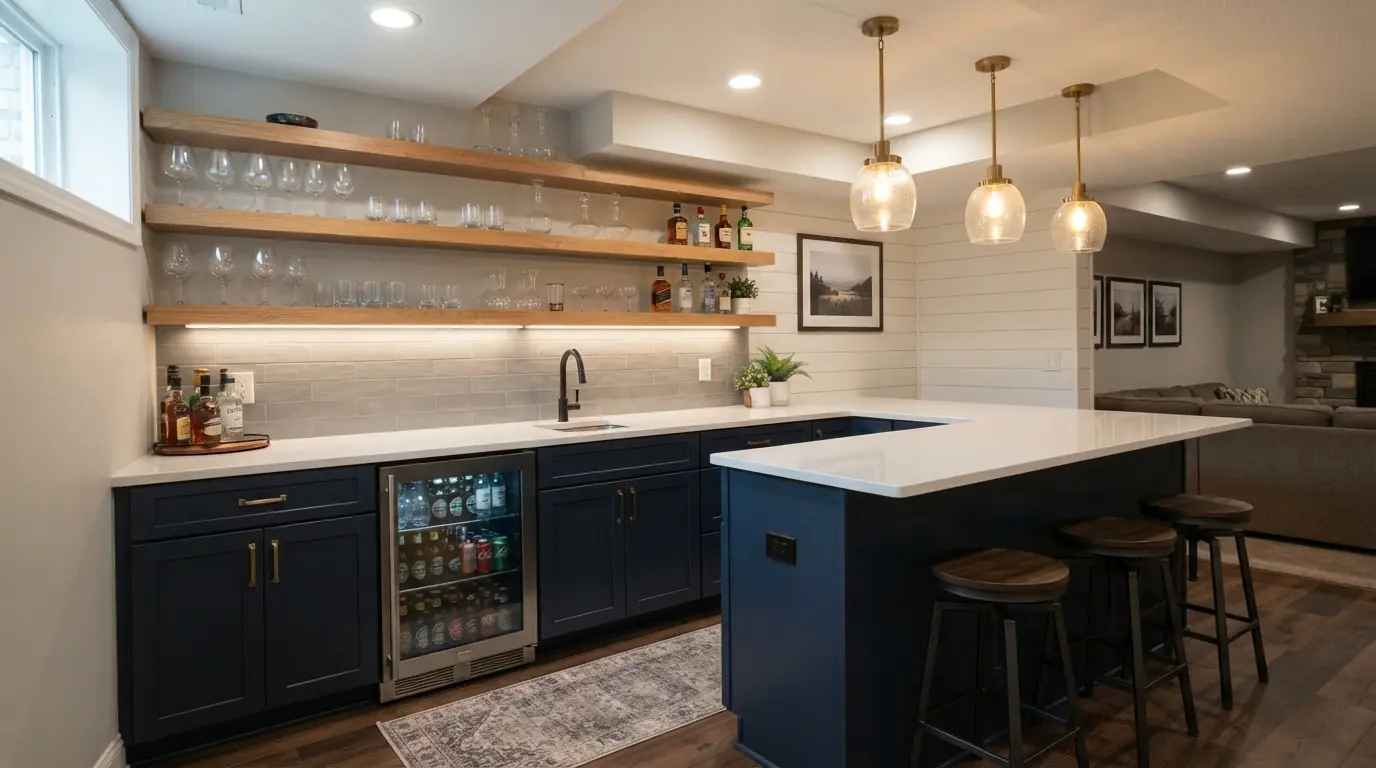
A basement bar is a built-in serving area with cabinets and a counter. A wet bar adds a sink with water and a drain. We match you with one vetted, licensed contractor in your city for a free on-site estimate and a written itemised quote.
A bar keeps drinks, snacks and glasses close to where people gather. It pairs well with a family room, a game area or a home theater. The first choice is wet or dry. A dry bar has cabinets, a counter and fridge space. A wet bar adds a sink, which needs a water supply and a drain. If the drain sits below the sewer line, it may need a small pump. Fridges, ice makers and dishwashers need their own outlets and often dedicated circuits. Lights under the cabinets and over the counter set the mood. Your contractor plans the plumbing and power with the rest of the basement. You get one written quote for the whole job.
KEY POINT
Decide wet or dry before framing so plumbing and power go in the right place.
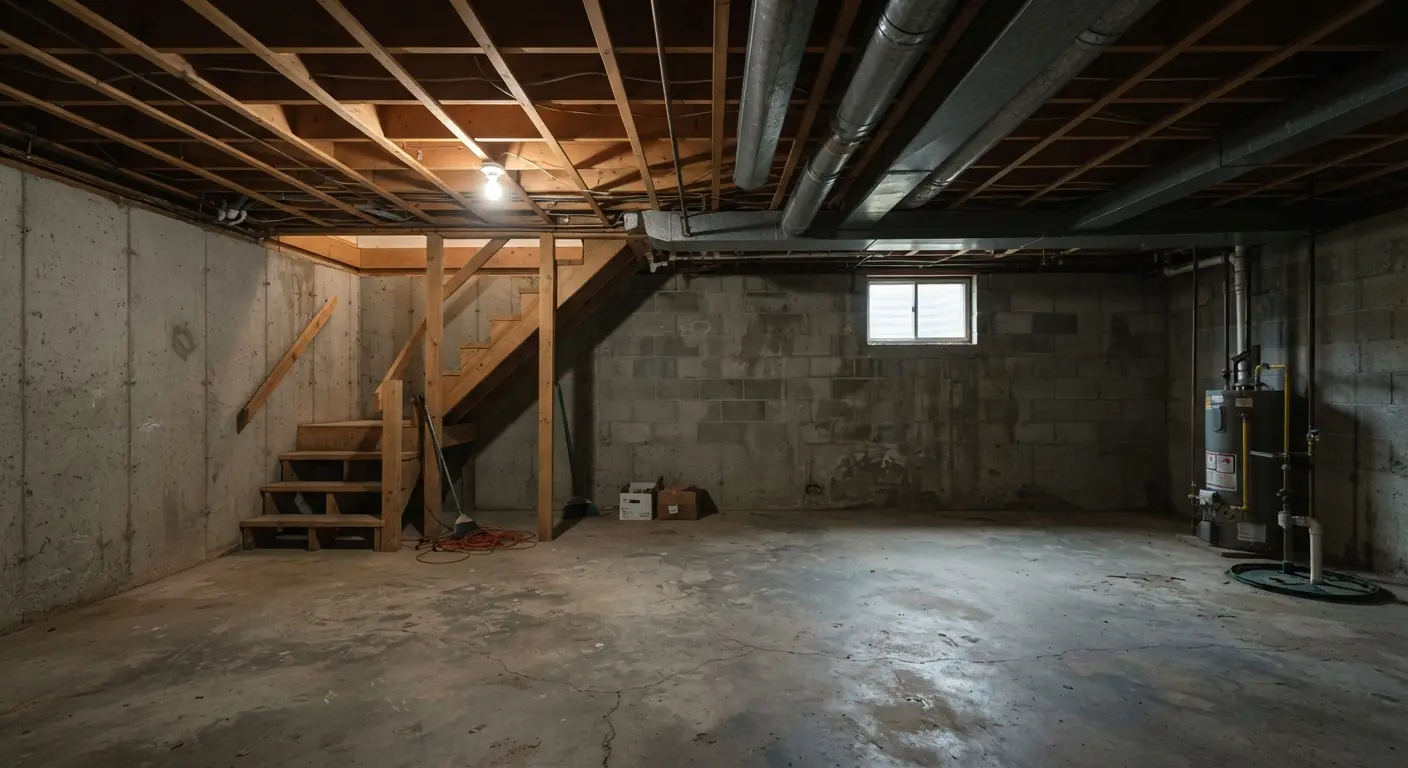
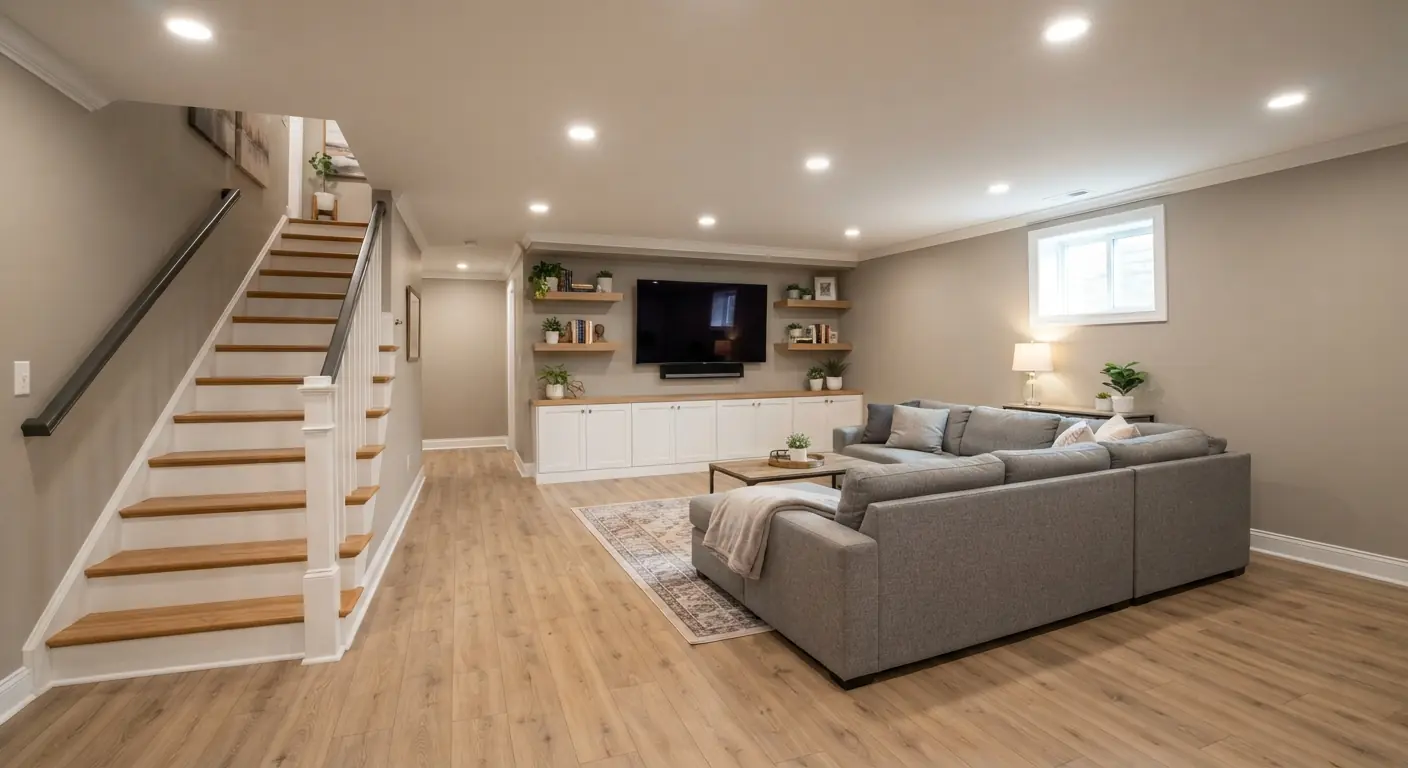
BeforeAfter
What is included
The parts of a basement bar
Each bar is sized to your room. Most include these parts.
Cabinets and counter
Base and upper cabinets with a counter sized for serving and seating.
Sink plumbing
Supply and drain lines for a wet bar sink, with a pump if the drain sits low.
Appliance power
Outlets and circuits for a fridge, ice maker, wine cooler or dishwasher.
Bar lighting
Under-cabinet, pendant and accent lights on their own switches.
Backsplash and finishes
Tile or panel backsplash, shelving and a floor that handles spills.
Bar planning guide
How to plan a basement bar you will use
How much does it cost to put a bar in your basement?
HomeGuide puts a basement wet bar at $2,000 to $30,000 with installation. The spread comes from plumbing, cabinet grade and appliances.
One Minnesota design-build firm publishes these ranges by bar type.
Bar cart or cabinet: $200 to $1,500
Dry bar with no plumbing: $3,000 to $10,000
Wet bar with a sink: $7,000 to $25,000
Custom built-in bar: $15,000 to $30,000 or more
Full bar room with seating: $25,000 to $50,000 or more
What drives the cost of a basement bar?
Plumbing, cabinets and appliances drive the cost of a basement bar. The same firm publishes these line costs. It advises holding back 15% to 20% as a contingency in older homes.
The easiest savings come from choices made early. Keep the sink on the existing drain line. Pair stock cabinets with a better counter, since the counter is what guests touch and see. Freestanding appliances cost less than built-in units with custom panels.
Water and drain lines for a basic sink: $1,500 to $4,000
Ejector pump if the floor sits below the sewer line: $1,000 to $4,000
Dedicated circuit for a fridge, icemaker or lights: $200 to $500 each
Counters: $20 to $50 per square foot for laminate, $75 to $150 for granite or quartz
Cabinets: $100 to $300 per linear foot stock, $200 to $500 semi-custom
Undercounter beverage fridge: from about $300 to $2,000 or more
Two-tap kegerator with glycol cooling: $2,500 to $5,000
What are popular basement bar ideas?
Popular basement bar ideas build on how you already host. The same Minnesota firm publishes these budgets by theme.
Themes cost more when they need custom millwork. A consistent look on stock cabinets often reads better than an expensive mix of styles.
Sports bar with screens visible from the stools and the couch: $15,000 to $35,000
Speakeasy with dark wood, brass and low light: $12,000 to $30,000
Wine bar with racks and a cooling unit: $8,000 to $25,000. A small cooling unit alone runs $500 to $2,000.
Rustic pub with reclaimed wood or stone veneer: $10,000 to $25,000
Home theater bar set up like a concession stand: $12,000 to $30,000
Game room bar beside a pool table or darts: $15,000 to $35,000. A pool table needs 5 feet of clearance on all sides.
What types of basement bar layouts are there?
The main basement bar layouts are straight, corner, peninsula and U-shaped. The right one depends on your floor space and how many people sit at once. Budgets below come from the same firm's published figures.
Place the bar near the existing drain line, out of the main walkway and in sight of where people sit. Keep stools clear of the path to the stair and the utility room. Face the bar toward the TV or game area so the host stays part of the room.
Check what sits overhead. A bar under a low duct run or beam can feel cramped. An icemaker placed away from theater seats keeps noise down during a movie.
Straight bar along one wall: $3,000 to $15,000. It leaves the rest of the room open.
Corner or L-shaped bar: $4,000 to $12,000. It uses a dead corner and adds counter space.
Peninsula bar with seats on more than one side: $12,000 to $28,000. It becomes the center of the room.
U-shaped bar with the host inside: $18,000 to $40,000. Plan at least 150 square feet for the bar area.
Compact bar in a nook or closet: $3,000 to $8,000 for a 4-foot run with a fridge.
What is the average size of a basement bar?
A typical basement bar counter runs 6 to 10 feet long and 24 inches deep, per the same design-build firm. A 10-foot bar seats four to five people.
Add 18 to 24 inches of overhang for knee room at the stools. Standard bar height is 42 inches. Leave at least 36 inches behind seated guests so people can walk past.
Check headroom before you commit. The code sets 7 feet as the minimum for basement living space. The same firm suggests 7.5 feet for a bar to feel comfortable.
Mark the counter and stool zone on the floor with painter's tape before you order cabinets. Set chairs in place and walk around them to check the flow.
Does a basement bar need a sink?
A basement bar does not need a sink. A dry bar works well when the kitchen is one flight up and you mostly serve bottles and cans.
A sink earns its cost if you mix drinks, rinse glasses or host often. The same firm puts the wet bar premium at $3,000 to $8,000 over a dry bar.
Put the sink on the wall closest to the existing drain line to keep that premium low. If you may add a sink later, have the drain and supply roughed in during the basement finish.
A basement that already has an ejector pit for a bathroom can often take the bar sink drain too. Ask your contractor to confirm the pump can handle the extra fixture.
How do you plan plumbing and power for a basement bar?
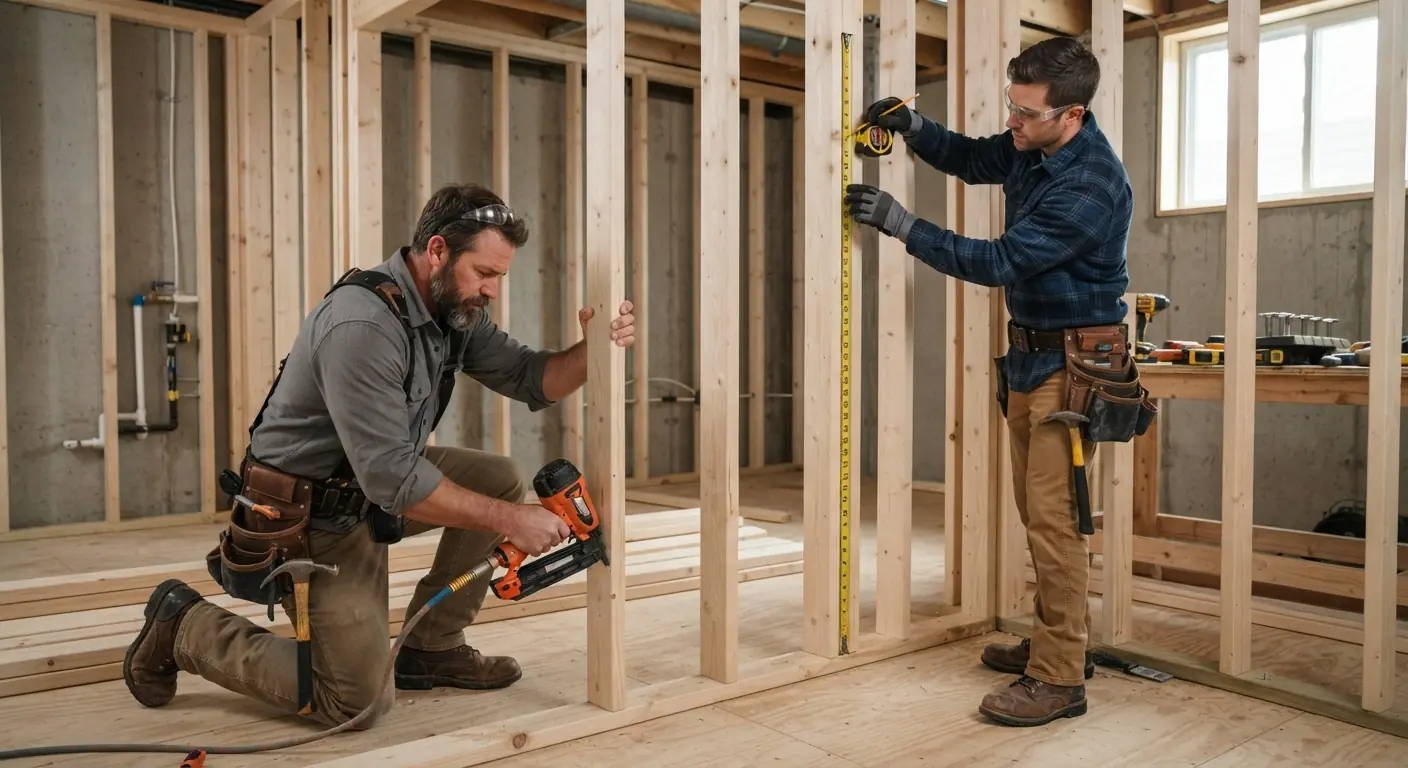
Plan plumbing and power before framing so every pipe and wire sits where the cabinets need it. Moving them after drywall means opening finished walls.
A bar sink needs a drain with the right slope, a trap and a vent. Local code decides whether an air admittance valve can stand in for a vent pipe. A dishwasher also needs hot water and a drain connection.
Outlets near a sink need ground-fault protection. Give the fridge, icemaker or kegerator their own circuits so a blender does not trip the breaker mid-party. Run low-voltage wire for TVs and speakers while the walls are open.
A wet bar usually needs plumbing and electrical permits. A dry bar with plug-in appliances often needs none.
What materials hold up best in a basement bar?
Materials that shrug off water and spills hold up best in a basement bar. Quartz counters need no sealing and resist stains. Granite needs a sealer and butcher block needs regular oil.
Glass-front upper cabinets show off glassware but need dusting. Open shelves cost less and keep bottles in easy reach. Put a leak tray or a water sensor under the sink so a slow drip gets caught early.
Counter: quartz for low care, laminate for the lowest price
Sink base: plywood cabinet boxes resist leaks better than particleboard
Floor: luxury vinyl plank or porcelain tile to handle spills
Backsplash: tile or glass that wipes clean
Lighting: dimmable under-cabinet LEDs and pendants over the counter
Bar cost depends on wet or dry and on cabinets and appliances, and the Atlanta cost guide shows how a bar adds to a full finish. Range: typical full finish in metro Atlanta, one local firm's published range, checked September 2026.
Straight answers. Ask your contractor anything else at the free estimate.
Does a basement bar add value?
A basement bar adds appeal for buyers who host and helps a finished basement show as a place to gather. A wet bar tied into a full basement finish adds more than a stand-alone dry bar. The dollar return depends on your local market.
Can you put a bar in an unfinished basement?
Yes, and many homeowners finish the area around the bar at the same time. HomeGuide puts basement finishing at $30 to $50 per square foot. Doing both together means one set of permits and one rough-in.
Do you need a permit for a basement bar?
You need permits when the bar adds plumbing or new circuits. A dry bar with a plug-in fridge on an existing outlet usually needs no permit. Your contractor checks the local rule.
What is the best flooring for a basement bar?
Luxury vinyl plank and porcelain tile are the best floors for a basement bar. Both handle spills and stool traffic. Solid hardwood can warp below grade.
What is a bar in a basement called?
A bar in a basement is usually called a home bar, a wet bar or a dry bar. A wet bar has a sink with running water and a dry bar has none. The wall of shelves behind the counter is called the back bar.
Can you build a basement bar yourself?
You can build a dry bar yourself if you are handy with cabinets and trim. College City Design Build puts a DIY bar at $1,500 to $7,000. Hire licensed trades for water lines and new circuits, which also need permits.
Ready to start your basement bars?
Get a free on-site estimate from one vetted local basement contractor.