Yes. In many basements the sump pit is a good place to run radon mitigation from. A mitigator seals the pit under an airtight, gasketed lid and ties a vent pipe to it.1 A fan then pulls soil gas up that pipe and vents it outdoors above the roofline.2 It works best when drain tile feeds the pit. Without drain tile the fan works harder. A pit in a far corner may need a second suction point.1
TL;DR
- A sealed sump pit is often the simplest suction point in a basement with drain tile. It reaches the whole foundation without coring a new hole in the slab.1
- The lid has to be airtight. Look for a perimeter gasket, sealed openings for the pump cord and discharge pipe, a vent pipe stub and a viewing port.1
- A sealed lid on its own closes one entry point. Radon also gets in through slab cracks and joints, so only a retest tells you whether you're below 4 picocuries per liter (pCi/L).34
- Budget from HomeGuide's national range of $1,200 to $2,000 for a fan system.2 New York's health department puts its average at about $2,500.3
- Settle the radon system, the pipe route and pit access before anyone frames a wall. Retest once the basement is finished.3
Can you run a radon mitigation system from a sump pump?
Yes. The pit your pump sits in becomes the system's suction point. The mitigator replaces the old cover with a sealed lid that has a vent pipe stub. The radon fan pulls on that pipe, and the drain tile carries the suction under the slab. Your pump keeps working as before.1
Rochester Radon Mitigation, a Minnesota company, calls the sump pit the cleanest single place to draw a system from in homes with drain tile. The drain tile loop carries air well. The suction point reaches the whole foundation, and nobody has to core a separate hole through the slab.1
Everything past the lid is a standard active soil depressurization system. An exhaust fan moves radon from the soil below the foundation, draws it up a pipe and vents it above the roofline.2
When the pit changes the plan
The sump pit is a good start. It still needs a second look in these cases:
- The pit has no drain tile feeding it. It's then just a hole in the floor. A mitigator can still seal it and use it, but the fan does more work.1
- The pit sits in the back corner of an L-shaped basement. Suction may not reach the far end, so a second suction point may be needed.1
- The house has more than one pit. Each one needs its own sealed cover.1
- Other slab openings leak. A sealed sump cover doesn't help if a cold joint or an old floor drain is leaking heavily.1
Sump-pit suction or slab suction: which fits your basement?
Use the sump pit when working drain tile feeds it and suction from that spot can reach the whole slab. Use slab suction when there's no sump, no drain tile or a pit in a poor spot. Slab suction means coring a hole through the floor for the pipe. An L-shaped basement can need both.1
Here's how the options compare. Costs are HomeGuide's national averages, published February 5, 2026.2
| Approach | What the fan pulls from | Best fit | Work on the slab | HomeGuide cost |
|---|---|---|---|---|
| Sump-pit suction | The drain tile loop, through a sealed pit | A pit fed by working drain tile | Seal the existing pit; no new core | $900 to $1,800 (HomeGuide's drain-tile suction line)2 |
| Slab suction | Soil under the slab, through a cored hole | No sump, no drain tile, or a badly placed pit | Core a new hole through the floor | $1,200 to $2,000 (active soil depressurization)2 |
| Pit sealing and cover | No fan listed; it closes the pit as an entry point | A pit that isn't the suction point | Seal around the pit and fit a cover | $900 to $2,500 (sump pit and crock sealing)2 |
HomeGuide doesn't price a sump-pit system as its own line. Its drain-tile suction line covers homes with an existing perimeter drain, which is the closest match, so the first row uses it.2 Ask your mitigator to itemize the lid, each suction point and the fan so you can compare quotes line by line.
How do you seal a sump pit lid for radon?
A radon lid is a clear or solid plastic cover that sits flush with the slab and seals to the concrete with a gasket. Every opening through it gets its own seal: the pump cord, the discharge pipe and the vent pipe stub. An inspection port lets you still see the pump and float.1
What an airtight lid needs
- A gasket around the whole edge where the lid meets the concrete.
- A pass-through for the pump's power cord with its own gasket.
- A sealed pass-through for the discharge pipe.
- A vent pipe stub that ties into the rest of the radon system.
- An inspection port so you can see the pump and the float.1
Extra openings to plan for
A battery backup pump in the same pit gets its own gasket and bushing. So does a water-powered backup that ties into the city water line.1
Old covers are a common weak spot. Covers that are 20 or 30 years old often have cracked plastic or missing gaskets. Some were taken off for service and never put back. Replacing the cover is part of the mitigation install either way.1
A sewage ejector pit for a basement bathroom or laundry is a separate fixture. It also needs a sealed cover for radon. It ties into the home's plumbing vent stack, and the radon pipe stays separate.1
Will the lid change how the pump works?
No. The cover doesn't restrict the pump's flow, change its cycling or interfere with the float.1 One thing to check is the wiring. Some older pumps share a circuit with the radon fan, and a mitigator can split them so both keep running on their own.1
Does sealing a sump pump reduce radon?
Yes. Sealing helps because it closes one known entry point. New York's health department lists exposed soil in a sump among the ways radon gets in. Radon also enters through slab cracks, slab-footing joints and loose-fitting pipes.3 A lid alone leaves those open, so retest after any fix.
The bigger gain comes when the sealed pit becomes the suction point for a fan. New York's health department says a radon reduction system can cut levels by up to 99%.3 HomeGuide gives the same up-to-99% figure for active soil depressurization.2
Your target comes from EPA. Fix your home at 4 pCi/L or higher.4 Consider fixing between 2 and 4 pCi/L.4
EPA estimates radon causes about 21,000 lung cancer deaths every year, about 2,900 of them among people who have never smoked. It's the leading cause of lung cancer among non-smokers.5
How much does it cost to install a radon sump pump system?
Expect about $1,200 to $2,000 for a fan-driven radon system, HomeGuide's national average.2 Sealing the sump pit and fitting a cover runs $900 to $2,500 on the same guide.2 The price moves with home size, foundation design and system type.2 A second suction point adds work too.1
| Item | Cost | Source and scope |
|---|---|---|
| Active soil depressurization system | $1,200 to $2,000 installed; $2,500+ for larger homes2 | HomeGuide national average, February 2026 |
| Drain-tile suction, existing perimeter drain | $900 to $1,800 installed2 | HomeGuide national average |
| Sump pit and crock sealing with a cover | $900 to $2,5002 | HomeGuide national average |
| Radon reduction system | About $2,500 average3 | New York State Department of Health, New York only |
| Permit | $25 to $1502 | HomeGuide; most mitigators include it in the estimate |
| Home radon test kit | $10 to $302 | HomeGuide |
| Professional radon test | $125 to $4002 | HomeGuide |
| Fan electricity | About $70 to $80 a year2 | HomeGuide |
Sources: HomeGuide2, New York State Department of Health3.
The two headline figures differ in scope. HomeGuide's range is national and covers active soil depressurization, the most common system in homes, so budget from it.2 New York's $2,500 is one state's average for a whole reduction system.3 If your quote lands near the top of HomeGuide's range, ask what's driving it. A second suction point or a replacement lid are fair answers. For more on what moves the price, see radon mitigation cost.
Can you install a radon system yourself?
Hire a certified radon mitigator for the system itself. New York's health department points homeowners with high levels to a certified mitigator.3 HomeGuide advises choosing one certified by the National Radon Proficiency Program (NRPP) or the National Radon Safety Board (NRSB).2 Fan sizing, pipe routing and the follow-up test decide whether your level drops.
The American Association of Radon Scientists and Technicians and the American National Standards Institute (AARST/ANSI) publish national standards for radon testing and mitigation. New York's health department calls them the currently accepted standards, superseding earlier EPA standards.3
Rules also vary by state. New York, for example, requires mitigators to report the number of mitigations they do by county or ZIP code.3 Check your state radon program before you plan any part of the job yourself.
Even the lid has details a mitigator checks: the perimeter gasket, the gasketed cord bushing and a separate gasket and bushing for any backup pump.1 If the fan needs a new circuit, that's work for a licensed electrician.
How do you finish a basement around a radon sump pit?
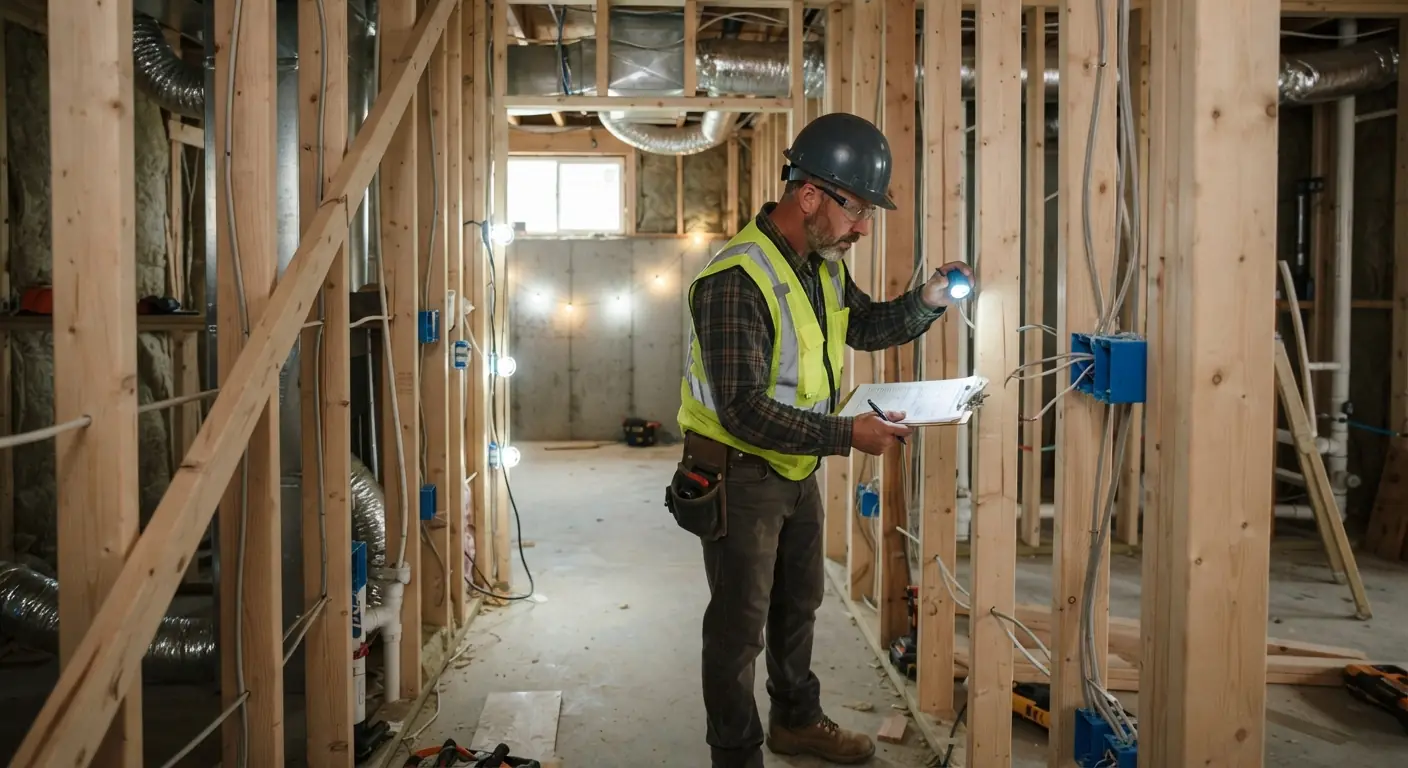
Plan the radon system before framing, and keep the sump pit reachable after the walls go up. Leave the lid and inspection port open to the room or behind a removable panel. Route the vent pipe where framing can box it in. Then retest, because New York's health department advises testing after major renovations.3
New York's health department notes that building radon control into new construction is easier and less expensive than adding it after the house is done.3 A basement build-out follows the same logic. Once drywall is up, a second suction point or a rerouted pipe means cutting into finished walls.
Keep these points in the plan:
- The pump still needs service. When someone lifts the lid, it has to go back on sealed. Covers removed for service and never replaced are a known failure.1
- The pit usually means the basement handles water. Sort out drainage before you finish, and read how basement waterproofing before finishing fits in. A radon system pulls humid soil air out as a side benefit, but Rochester Radon Mitigation says it is no waterproofing fix.1
- The pump and radon fan should run on separate circuits.1 Tell your contractor where both sit so the electrical plan keeps them apart.
- The finished room is where you'll spend time. New York's health department says the greatest exposure risk is where you spend most of your time.3 Test before the build and again within 30 days of any new system.3
For how fan systems work across a whole house, see radon mitigation systems explained. For pump access and layout in a finished room, see finishing a basement with a sump pump. If your basement is already finished and the pit is boxed in, opening it up is part of remodeling a finished basement. Once the radon plan is settled, you can get a written quote for finishing your basement.
What to ask your contractor about radon and the sump
Ask these before anyone frames a wall. The answers show whether the radon work and the finish work fit together, and who owns each part. Ask for a quote that lists the radon system, the lid and each suction point as separate lines, and confirm the estimate includes follow-up testing.2
- Is the sump pit the suction point, and why? Will the basement need a second one?
- Does the new lid have a perimeter gasket, sealed cord and discharge pass-throughs, a vent stub and an inspection port?
- Are the radon fan and sump pump on separate circuits?
- Which other slab openings get sealed, such as floor drains and cold joints?
- Is the mitigator certified by NRPP or NRSB?2
- Does the price include follow-up testing?2
- Where will the pipe run through the finished space, and how will you keep the pit accessible?
Basement Remodeling Co. matches you with one vetted, licensed basement contractor for your metro. You get a free on-site estimate and a written, itemized quote. Bring your radon test results and the mitigator's plan to that estimate so the finish plan works around them. You can find a basement finishing contractor by ZIP code, or go straight to finishing in metro Denver, Colorado Springs, Fort Collins or metro Atlanta.